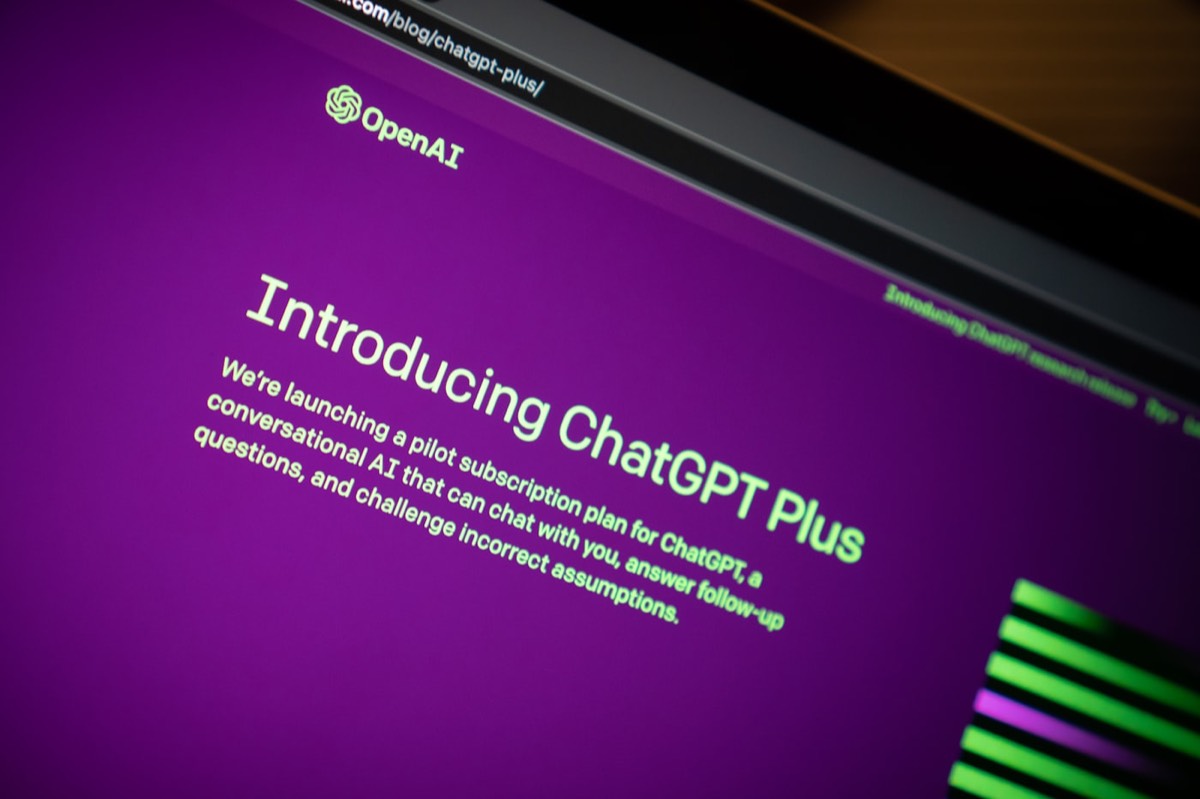
The short answer: no, AI is not replacing SEO, and SEO is not dead, but it is changing. AI answers and AI Overviews still draw on websites that are technically sound, clear and trusted, so the foundation of SEO still matters. What has changed is the surface: some searches are now answered directly, so businesses also need to be the source those answers quote. That adds two layers, AEO and GEO, on top of SEO. ChatGPT can help with SEO tasks, but it cannot replace access, verification, implementation and accountability.
These are the questions people ask when they wonder whether SEO is still worth it. Each section gives a short, direct answer first, then the reasoning and what to do. We are an SEO business, so we have an interest in the answer; we've tried to stick to reasoning you can test yourself and to say plainly where things are uncertain.
Key takeaways
- SEO is evolving into search optimization across three surfaces: classic results, direct answers and AI tools.
- AI tools cite the web, so sound, clear, trusted sites still matter.
- Tasks are being automated; strategy, judgment and accountability are not.
- ChatGPT is a useful assistant for SEO work but not a replacement for it.
- Local and buying-intent searches still send customers to businesses.
Is SEO replaced by AI?
No. AI is changing how search results are presented, but it hasn't replaced the need to be found. AI answers draw on content from across the web, so businesses with clear, accurate, well-structured, trusted sites remain the ones cited. What AI replaces is a lot of routine, low-value SEO work, such as mass-produced generic pages, not the underlying discipline.
| Then | Now |
|---|---|
| Goal: rank in a list of links | Goal: rank, and also be the source of the direct answer |
| Keywords as the main unit | Questions, entities and answers as well |
| Success measured by rankings and clicks | Also measured by mentions, citations and enquiries |
| Mass content could work | Generic content is easy for AI to ignore |
Is SEO dead with AI search?
No. Traditional search remains a major way customers find businesses, particularly for local and buying-intent searches where people want to call, visit or buy. AI features do answer some informational queries directly, which can reduce clicks for those, so the mix of what earns traffic is shifting. The sensible response is to adapt your SEO, not abandon it. Read our SEO vs AEO vs GEO explainer for how the surfaces relate.
Is SEO still worth it in 2026?
Yes, for most businesses that depend on customers finding them, provided the SEO is aimed at the right things: local visibility, clear answers to customer questions, technical soundness and trust. It's less worth paying for mass-produced content, cheap links and guaranteed-ranking schemes, which were always weak and are weaker now. Judge it the way you'd judge any marketing: from a baseline, against cost, over a realistic period. See how much SEO costs and how to measure the return.
Is SEO a thing anymore?
Yes, though it's better described now as search optimization across three surfaces: classic search results (SEO), direct answers and snippets (AEO), and citations inside AI tools (GEO). The core habits, such as clear content, technical health, trustworthy information and local accuracy, are shared across all three. The work has broadened; it hasn't disappeared. Our 90-day plan for small businesses shows how they fit together.
Can ChatGPT do SEO?
ChatGPT can help with parts of SEO, but it can't do SEO end to end. It's useful for brainstorming questions, drafting outlines, suggesting titles and meta descriptions, and drafting FAQ or schema code for a human to check. It can't access your Search Console or analytics unless you provide them, verify facts, make changes on your site, earn reviews and links, or be accountable for results, and it can invent statistics and sources.
| Good for | Not good for |
|---|---|
| Question brainstorming and clustering | Reliable search-volume numbers |
| Outlines and first drafts | Publishing unedited content |
| Meta description and title ideas | Knowing your real rankings and traffic |
| Drafting FAQ and schema for review | Implementing and validating technical changes |
| Repurposing content | Earning links, reviews and trust |
See how to use AI for content without hurting SEO and which AI search tools you actually need.
Will SEO jobs be replaced by AI?
Some SEO tasks will be automated, but the evidence doesn't support a simple answer that jobs will disappear. Routine work such as first drafts, basic audits, reporting and keyword clustering is increasingly assisted by AI. Roles that involve judgment, prioritisation, technical implementation, subject-matter expertise and client accountability change rather than vanish. Nobody can predict this precisely, so treat forecasts, including ours, as reasoned expectations rather than facts.
Which 3 jobs will survive AI?
Nobody can reliably name three jobs that will survive AI, and be cautious of anyone who claims to. Broadly, work that combines judgment and accountability, human trust and relationships, or hands-on physical skill tends to be harder to automate than routine information tasks. For SEO specifically, three skill areas we expect to stay valuable, offered as our view rather than a prediction, are strategy and analysis, technical implementation, and subject-matter content with real expertise.
What should a business do now?
- Keep the SEO foundation strong: a fast, clear, technically sound site.
- Fix your local presence: a complete Google Business Profile and consistent details everywhere.
- Write answer-first pages for the questions your customers actually ask; see the AEO optimization guide.
- Test your AI visibility monthly with 20 real prompts.
- Use AI as an assistant, with human fact-checking.
- Measure from a baseline and adjust.
What has changed in search, and what hasn't?
What has changed:
- Some queries are answered directly on the results page or inside AI tools.
- Questions and conversational phrasing are more common.
- Being cited or named can matter as much as ranking for some searches.
- Generic, mass-produced content is easier to ignore and less valuable.
What hasn't changed:
- Sites still need to be crawlable, fast and clear.
- Helpful, accurate, expert content still earns trust.
- Local details, reviews and reputation still influence who is recommended.
- Customers with buying intent still search, click, call and visit.
How can you tell whether AI is affecting your traffic?
Check three places. In Google Search Console, compare impressions and clicks over time for your informational queries; falling clicks with steady impressions can suggest more answers are being shown directly. In Google Analytics, look at traffic sources for referrals from AI tools. And run your 20 priority questions in ChatGPT, Perplexity, Gemini and Google each month to see whether your business is named. Treat all three as trends, since results vary. Our guide to measuring AI search results shows the method.
The bottom line
SEO isn't dead and isn't being replaced by AI; it is expanding. The businesses that do well will keep their foundations sound, publish clear and trustworthy answers, keep local information accurate, and use AI as a tool rather than a substitute for expertise.
SEO in Gurgaon runs SEO, AEO and GEO together, starting with an audit of how your business appears in classic search and in AI tools such as ChatGPT, Perplexity, Gemini and Google AI Overviews.
Wondering how your business looks in both search and AI answers? Request a free AI visibility check and we'll test your priority questions.
See our AI SEO service →